- Web Desk
- Jan 08, 2026
Two-child policy cap: Divisions and disciplines in UK politics
-

- Web Desk
- Jul 24, 2024
LONDON: The United Kingdom’s (UK) left-leaning Labour Party recently grappled with internal dissent over the controversial two-child benefit cap instituted by the previous Conservative government in 2017.
The policy restricts child-related welfare payments to families with more than two children. It was purportedly aimed at fostering equity between welfare-dependent households and those reliant on earned income.
Read more: UK High Court hears challenge against puberty blockers ban
Tensions within the Labour party itself came to a head when seven members of UK Parliament (MPs), including former shadow chancellor John McDonnell, supported a Scottish National Party amendment seeking to abolish the two-child policy cap during a parliamentary vote.
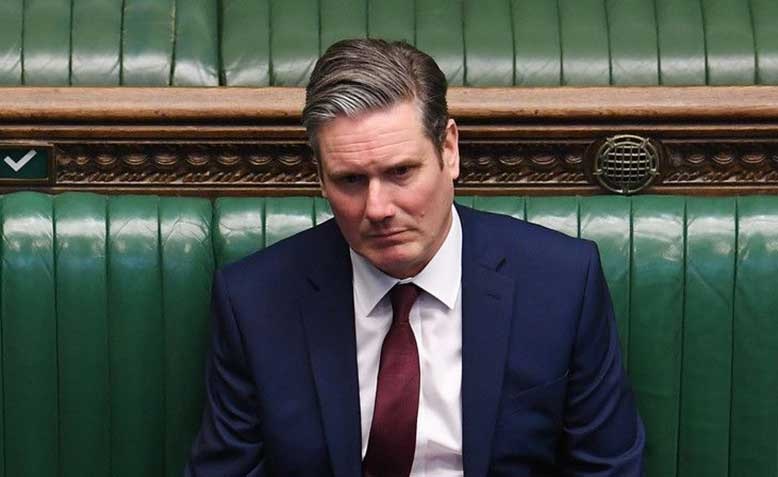
The move not only illuminated deep-seated ideological divisions within the party but also triggered a significant disciplinary response from Starmer, who imposed a six-month suspension on the dissenting MPs.
His decision points to the British PM’s determination to enforcing party unity and projecting Labour as a party grounded in responsible governance, particularly in fiscal matters.
Critics within Labour, including Deputy Prime Minister Angela Rayner, strongly condemned the cap as detrimental. They argued that it exacerbates child poverty by curtailing financial support to vulnerable families.
They advocated for its abolition, citing estimates that such a move could potentially lift hundreds of thousands of children out of poverty annually. Their stance prioritised social welfare imperatives over concerns about fiscal restraint.
Meanwhile, proponents of the cap defended it as a necessary measure for controlling public spending, especially in the aftermath of the Covid-19 pandemic. They contended that fiscal prudence is vital for safeguarding economic stability and ensuring sustainable welfare provisions in the long term.
The latest political drama has opened the debate on the role of government in balancing social welfare commitments with fiscal discipline, particularly in a post-Brexit economic landscape.
Read more: Shabana Mahmood sworn in as UK’s first woman Muslim Lord Chancellor
The suspension of prominent MPs like McDonnell also reignited contentious debates within Labour about its overarching stance on social welfare policies and economic strategies.
Many point to the latest incident as clue on how Starmer will have to face the difficult task of navigating the internal divisions within his party to present a unified front to voters.
You May Also Like