- Web Desk
- Yesterday
Game changer: extreme heat stifles women’s sports in Pakistan
-

- Reuters
- Jun 14, 2024
Warning: Attempt to read property "exclude_author" on false in /var/www/wordpress/wp-content/plugins/publishpress-authors/src/modules/author-boxes/author-boxes.php on line 871
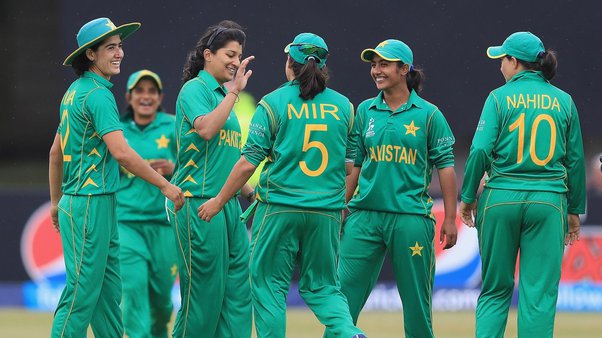
KARACHI: Pakistani student Aqsa Shabbir is hot, tired and frustrated. A keen field hockey player, she can no longer train during the day because of a brutal heatwave, she can’t sleep at night and she fears she will not play well in a tournament at the end of June.
The 17-year-old, who lives in Jacobabad in the southern Sindh province, already had to overcome many obstacles – like many girls who live in Pakistan’s smaller cities where exercising in public is frowned upon – and the heatwave is making things harder.
Exciting start as the 2024 US Open Golf kicks off
Two years ago, Jacobabad was named the hottest city on earth after temperatures reached 51 degrees Celsius (124 Fahrenheit). This year, as a heatwave seared southeast Asia, temperatures shot up to 52 degrees Celsius (126 Fahrenheit) in May.
“We cannot keep waiting for the weather to get better – it won’t,” Shabbir told the Thomson Reuters Foundation by phone from Jacobabad.
Rising temperatures are one more barrier for women and girls who want to stay active in a country where there are few training spaces available to them, apart from private sports clubs reserved for the wealthy.
A 2022 study found that the main obstacles to participating in sport in the Muslim-majority country are “religious and cultural limitations, a lack of permission from parents, and a lack of sports facilities and equipment”.
Now add extreme heat, linked to climate change, to the list.
T20 World Cup: England crushes Oman with 8-wicket victory
Shabbir is a member of the Star Women’s Sports Academy in Jacobabad, the only women’s sports club in the city of nearly 300,000 people. The girls have started training later in the day in a bid to beat the heat but parents are unhappy with their daughters returning home late on their own.
And there is little rest at night either. Shabbir says the one air conditioner her family has invested in provides “little comfort” because of frequent power cuts. The long days and nights are affecting her performance.
“I am not playing my best,” she said.
Haseena Soomro, who plays hockey at the same club, is equally frustrated.
“Of course the heat impacts our game,” the 19-year-old said. “The heat makes you sluggish, and this game is defined by speed.”
Sport has long been an often unaffordable luxury for girls from low-income households in Pakistan. It costs money to get to the few sports clubs available and even eating well is costly.
Some sports clubs try to help out with expenses but Erum Baloch, who founded the club in Jacobabad where Shabbir and Soomro play, says that can also be difficult.
T20 World Cup: Current points table
And now she is also grappling with the challenge of training her team on outdoor pitches during what she calls the “long and unbearable” summers.
The situation is complicated by the fact that the women wear long clothing when training. Even though Baloch’s club is in a women’s government college, the girls she coaches are uncomfortable swapping shalwar kameez for jogging pants, never mind cooler shorts.
You May Also Like