- Web Desk
- Today
Sarfraz Ahmed: victorious against India, vindicated against critics
-

- Web Desk
- Dec 22, 2025

DUBAI: Former captain of Pakistan national team, Sarfaraz Ahmed, has once again found himself at the center of attention, and for more than one reason this time. He led Pakistan’s U-19 team to an emphatic 191-run victory over India in the ACC Men’s Under-19 Asia Cup final. This result not only reignited memories of his remarkable history of delivering on the biggest stage against cricket’s fiercest rivals, but also brought into limelight the criticism he has faced over the years.

First as a player, now as a mentor and team manager, Sarfaraz’s impact on Pakistan cricket continues to resonate.
The latest triumph marked Pakistan’s second Under-19 Asia Cup title and their first in 13 years. Speaking after the final, Sarfaraz termed the victory a “collective effort” and a major morale booster ahead of the Under-19 World Cup.
“I told the boys to play openly and trust their abilities. They are very talented, and if given the right investment, they can win titles for Pakistan,” Sarfaraz said, praising the unity between players, coaches, and management.
A FAMILIAR SCRIPT AGAINST THE ARCHRIVALS
For many fans, Pakistan’s victory over India felt eerily familiar, because Sarfaraz Ahmed has been here before. In 2006, Sarfaraz led Pakistan to victory over India in the Under-19 World Cup final as the captain.

In 2017, under his captaincy, Pakistan defeated India in the ICC Champions Trophy final, one of the most celebrated wins in the country’s cricketing history.

Years later, he has now overseen another final victory against India, this time as U-19 team manager and mentor in the Asia Cup.

Few figures in Pakistan cricket history can claim such a consistent record in finals against India, a fact that has fueled renewed debate about his leadership legacy.
THE CAPTAINCY THAT WAS TAKEN AWAY
Despite these achievements, Sarfaraz’s international career took a controversial turn when he was stripped of Pakistan’s captaincy across formats. Many observers believe the decision disrupted team stability and may have contributed to the senior side’s decline in consistency and identity.
Sarfaraz had inherited a struggling Pakistan team and transformed it into a competitive unit, highlighted by the Champions Trophy win and a brief rise to the top of the Test rankings. His removal, critics argue, marked the beginning of frequent leadership changes and long-term uncertainty for the national side.
Now, with Pakistan’s junior team flourishing under his guidance, those questions have resurfaced louder than ever.
BUILDING THE FUTURE
Sarfaraz was full of praise for standout performers in the final, particularly Sameer Minhas, who scored a commanding 172 and was named Player of the Tournament.
“I have been following Under-19 cricket since 2002, and in 23 years, I don’t think I’ve seen such a commanding innings in such a big final,” he said.
He also highlighted the bowling unit, singling out Ali Raza, Subhan, and Mohamed Siam for their consistency throughout the tournament.
“You don’t shout magic into a team. It’s all God’s grace and hard work. When players and management are on the same page, it makes a difference,” Sarfaraz explained.
A LEGACY STILL UNFINISHED
Sarfraz Ahmed’s latest success has once again underlined his leadership qualities, not through words, but through results. Whether lifting trophies as captain or shaping future stars from the sidelines, his influence on Pakistan cricket remains undeniable.
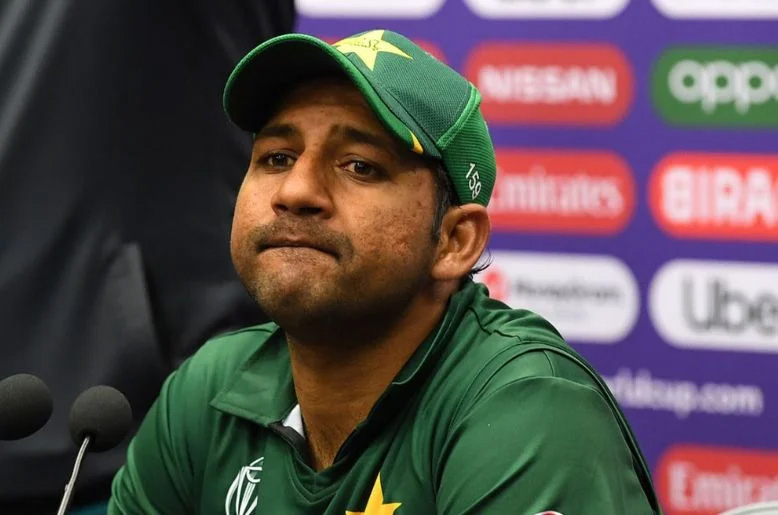
As Pakistan celebrates another memorable victory over India, one question lingers: was a leader who thrived under pressure and delivered on the biggest stage let go too soon?
For now, Sarfaraz Ahmed continues to do what he has always done best, win finals, inspire teams, and quietly remind the cricketing world of his value.