- Aasiya Niaz
- Jan 09, 2026
Richard Smallwood: the gospel giant who spoke when it was hardest
-

- Aasiya Nazir
- Dec 31, 2025
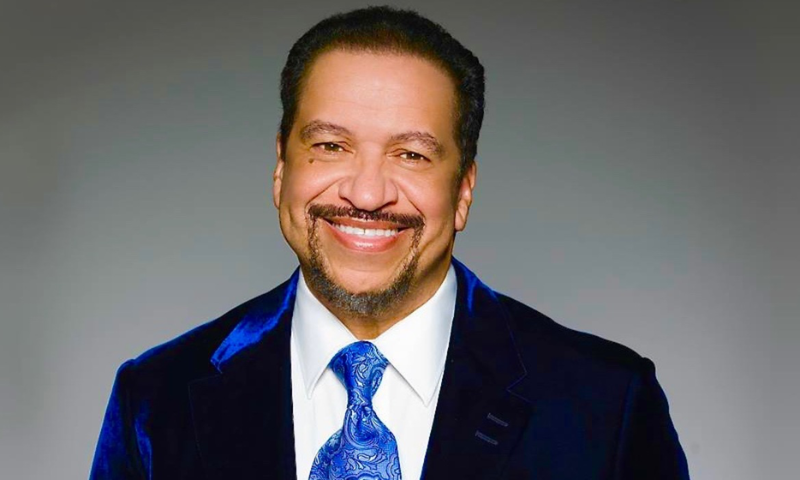
Richard Smallwood, the Grammy-nominated gospel singer, composer and choir director whose music reshaped modern gospel, has died aged 77. A representative confirmed he passed away on Tuesday, December 30, at Brooke Grove Rehabilitation and Nursing Center in Maryland.
The announcement was shared via a statement posted to his verified Instagram account by his family.
Over a career spanning four decades, Richard Smallwood became one of the most influential figures in contemporary gospel. A graduate of Howard University, he founded the Richard Smallwood Singers, releasing their self-titled debut album in 1982. The group’s sound, rooted in classical training and traditional Black gospel, helped modernise the genre and reach a new generation of worshippers.
Smallwood later formed the choir Vision, continuing to release music into the 2010s. Across his career, he received eight Grammy nominations, including three for best contemporary soul gospel album. His most recent nomination came in 2012, when “Trust Me” was recognised in the best gospel song category.
His songwriting travelled far beyond church walls. “I Love the Lord” was memorably performed by Whitney Houston in the 1996 film The Preacher’s Wife, while Destiny’s Child later introduced “Total Praise” to an even wider audience through their “Gospel Medley”.
A legacy of faith and honesty
In later years, Smallwood’s legacy came to include something far rarer in gospel music: a public and deeply personal conversation about mental health.
In 2019, he published his autobiography Total Praise, in which he spoke candidly about living with depression. In interviews following the book’s release, Smallwood reflected on the internal conflict of leading worship and writing uplifting music while privately struggling with his mental health.
He acknowledged that shame and fear of judgement initially stopped him from speaking openly, particularly within faith spaces where mental illness is often misunderstood or framed as a spiritual failing. Ultimately, he chose to share his experience in the hope that it would help others recognise depression as a medical condition that can require professional treatment, not a lack of faith.
For many listeners, that honesty reframed his music. Songs such as “Total Praise” and “I Love the Lord” took on added meaning, revealing how personal pain and profound worship could coexist. His willingness to speak openly challenged long-standing silence around mental health in church communities, particularly within Black congregations.
The Gospel Music Association has described Smallwood as a “world-class composer, pianist and arranger” who “changed the face of Black gospel music”, praising his seamless blend of classical movements and traditional gospel. His honours included multiple Dove Awards and Stellar Awards alongside his Grammy recognition.
In recent years, Smallwood had not recorded new music due to declining health, including mild dementia and other medical issues. His representative later confirmed his cause of death was complications related to kidney failure.
Tributes have continued to pour in from across the gospel world. Singer Gene Moore described Smallwood as “a giant”, writing on Instagram that “his voice, his piano, his pen changed the sound of gospel forever”.
Richard Smallwood leaves behind a body of work that shaped gospel music for generations. Just as significantly, he leaves a legacy of courage and honesty, reminding listeners that faith and vulnerability are not opposing forces, but often exist side by side.
You May Also Like