- Aasiya Niaz
- Jan 09, 2026
PM Kakar summoned in missing Baloch students case
-

- Web Desk
- Nov 22, 2023
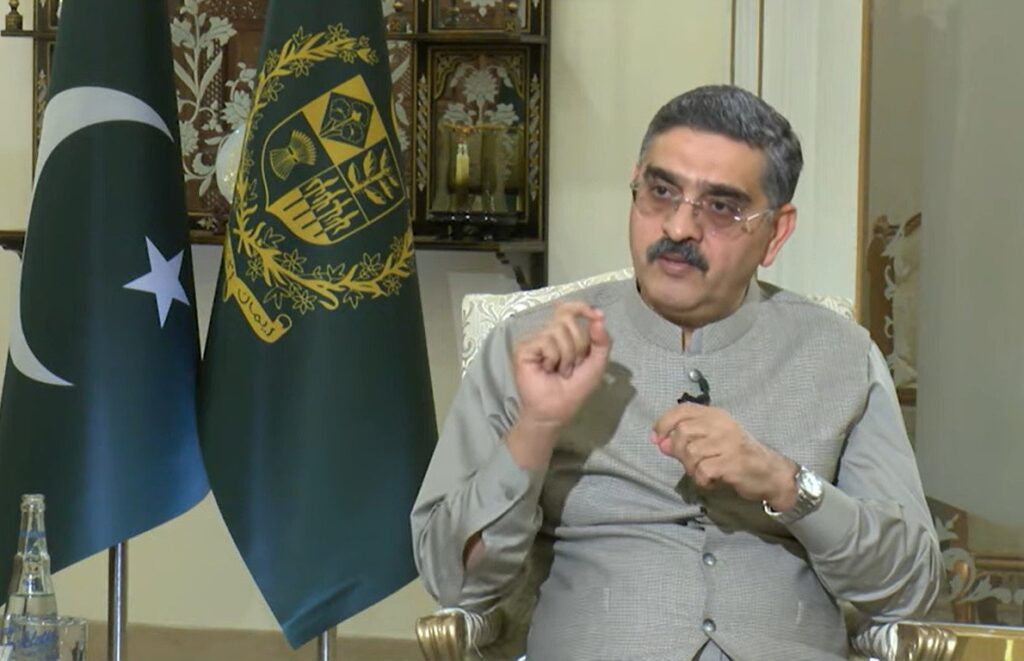
ISLAMABAD: Caretaker Prime Minister Anwaar ul Haq Kakar has been summoned by the Islamabad High Court (IHC) on November 29 to personally appear before it in a case pertaining to the missing Baloch students.
The court has also ordered the government to produce the 55 missing students as per the recommendations of the Baloch Enforced Disappearance Commission.
The court’s orders, announced today during the hearing on the enforcement of recommendations of the aforementioned commission, came after the government failed to recover missing students.
During proceedings on Wednesday, the court also warned that besides the prime minister ministers of interior and defence will be summoned also.
Meanwhile, the additional attorney-general for Pakistan has requested the court not to summon the premier and ministers.
IHC dismisses contempt plea against Nawaz Sharif
Justice Mohsin Akhtar Kayani responded: “I give you seven days’ time, implement the recommendations.”
In his remarks on the one-page document, submitted by Assistant Attorney General Usman Ghuman, Justice Kiani said it was a matter of shame for both the prime minister and Interior Minister Sarfaraz Bugti since they both belonged to Balochistan. “At least, they should have realized that this was the case of missing Baloch students,” he said angrily.
Then addressing the additional attorney general (AAG), the judge asked him to explain to him the nature of the case so that the situation could become clear. “Today was the 21st hearing of the case,” he said, and added it was on the court’s order that the commission had been formed. The matter was sent to the federal government because this was the case of enforced disappearances.
Not one, Justice Kiani added, the future of 51 students was at stake.
“We had sent the case to the prime minister,” he said, adding, “If these students had committed a crime, cases should have been registered against them.”
Speaking on the occasion, the AAG told the court that when a matter was referred to the government, either the concerned ministry or a sub-committee looked into it. “Later, it is shared with the prime minister and the federal cabinet,” he informed.
The judge regretted that no progress was made in the case despite the fact that some senior officials were part of the commission. “The purpose of constituting the commission was to trace missing students,” he said, and added, “Unfortunately that did not happen. What can be more tragic than this that the commission did absolutely nothing?”
“In fact, the commission was formed to hoodwink the courts,” Justice Kiani remarked.
He made it clear that the court had to make sure that the commission’s recommendations were implemented. “What a tragedy that we are still standing at the point from where we had started. But we think that slowly and gradually, things will improve and those missing will start returning to their homes,” the judge said.
You May Also Like