- Web Desk
- 5 Hours ago
Parliament passes bill to protect women, children; criminalises divorce threats against wife
-

- Web Desk Faizan Khan
- 9 Hours ago
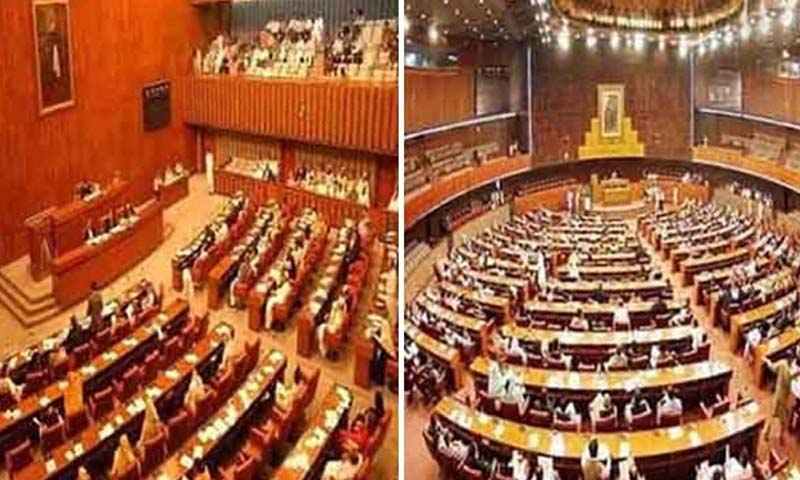
ISLAMABAD: Pakistan’s parliament has passed the Domestic Violence (Prevention and Protection) Act 2026, a comprehensive law aimed at protecting women, men, children, transgender persons, elderly, and other vulnerable individuals from domestic violence.
The law comes into force immediately in the Islamabad Capital Territory.
The act defines domestic violence broadly, covering physical, emotional, psychological, sexual, and economic abuse that causes fear, harm, or distress to the victim.
The bill presented by Minister of State for Interior Talal Chaudhry criminalises verbal abuse, threats of divorce or second marriage, stalking, harassment, forcing a spouse to live with others against their will, and neglecting household dependents, including children, elderly, disabled persons, and adopted or foster children.
Perpetrators may face up to three years in prison and fines of up to Rs100,000, with non-payment of fines attracting additional imprisonment.
Aiding or abetting domestic violence is punishable with the same penalties. Breach of protection, interim, residence, or custody orders carries up to one year in prison and a Rs100,000 fine.
The act empowers victims to file petitions with the court through Protection Officers, who assist with legal aid, medical support, shelter arrangements, and filing protection orders. Courts must hear petitions within seven days and issue decisions within 90 days.
Victims have the right to remain in their shared household or relocate to a safe place, including shelter homes.
Under the law, courts may issue protection orders, restraining offenders from committing further violence, communicating with the victim, or entering the household. Judges may also direct offenders to return property, pay monetary relief for medical costs, lost earnings, and other damages, and comply with restraining or residence orders.
The act establishes Protection Committees and Protection Officers to oversee implementation, maintain records, and coordinate with service providers, including shelter homes and medical facilities. Committees include representatives from women’s rights bodies, law enforcement, medical professionals, and the Ministry of Human Rights.
The law ensures that all actions taken by Protection Committees, officers, and service providers in good faith are legally protected. It also clarifies that these provisions are in addition to existing laws, not a replacement. The federal government is empowered to frame rules and resolve implementation difficulties as needed.
Experts say the Domestic Violence Act 2026 represents a major step forward in safeguarding household members, providing victims with legal remedies, and holding perpetrators accountable, including for economic and emotional abuse previously overlooked.
You May Also Like