
- Web Desk
- Now
Oil prices rise as OPEC+ delays production boost amid supply concerns
-

- Web Desk
- Nov 03, 2025
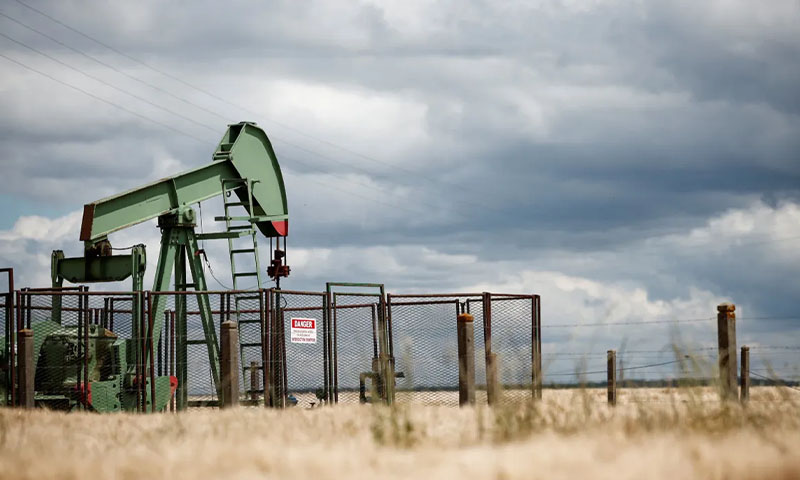
SINGAPORE: Oil prices edged higher in early Asian trading on Monday after OPEC+ announced it would delay planned production increases during the first quarter of next year, easing fears of an oversupplied market.
Brent crude futures climbed 47 cents, or 0.73 percent, to $65.24 a barrel by 2336 GMT, while US West Texas Intermediate (WTI) gained 45 cents, or 0.74 percent, to reach $61.43 a barrel. Both benchmarks had recorded modest gains in the previous session.
OPEC+ plays it safe
The Organization of the Petroleum Exporting Countries and its allies, collectively known as OPEC+, said on Sunday that they would continue with a modest increase of 137,000 barrels per day in December, maintaining the pace set for October and November. However, the group decided to pause additional production hikes in January, February, and March 2026, citing seasonal factors and uncertain demand conditions.
RBC Capital analyst Helima Croft noted that the cautious stance was understandable. “There is ample ground for a cautious approach given the uncertainty over the first quarter supply picture and the anticipated demand softness,” she said.
Russia adds to market uncertainty
Russia’s role in the market remains unpredictable, particularly after fresh US sanctions on major Russian energy companies Rosneft and Lukoil, coupled with ongoing strikes on its energy infrastructure. A Ukrainian drone attack on Sunday set fire to the Tuapse port, one of Russia’s key Black Sea oil terminals, damaging at least one vessel.
Weighing risks and forecasts
Oil prices had slipped for three straight months through October, with both Brent and WTI losing more than 2 percent amid concerns of weakening global demand and growing US supply. Prices touched a five-month low on October 20.
According to a Reuters poll, analysts have largely kept their price forecasts steady, suggesting that higher OPEC+ output and sluggish demand are offsetting geopolitical risks. Estimates for a market surplus vary widely, ranging from 0.19 to 3 million barrels per day.
The US Energy Information Administration reported on Friday that American crude output reached a record 13.8 million barrels per day in August, up by 86,000 barrels from July.
Meanwhile, President Donald Trump dismissed claims that Washington was planning military strikes inside Venezuela, amid reports suggesting the US may expand operations related to drug trafficking in the region.
You May Also Like