- Web Desk
- 10 Hours ago
Earth shakes, oceans rise: Deadly dance of earthquakes, tsunamis, and volcanoes in 21st century
-

- Sadiq Khan
- Dec 08, 2025
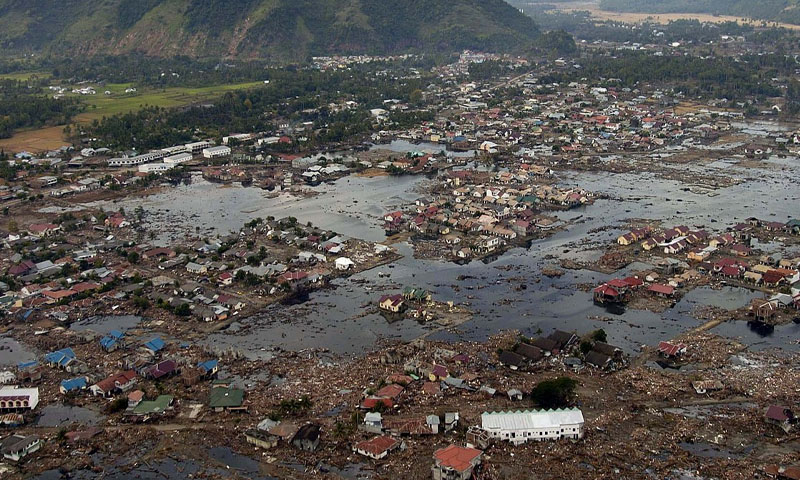
In the early years of the twenty first century, the world was reminded again and again of how fragile life on Earth can be. Beneath the calm surface of the oceans, the planet’s crust shifted, stretched and snapped. Each movement released forces powerful enough to change landscapes in a matter of minutes.
The most haunting example came in 2004. One December morning, deep below the Indian Ocean, a massive rupture occurred off the coast of Sumatra. The sea rose, paused for a breath, and then raced outward in every direction. Entire towns were erased. Families disappeared in moments. More than two hundred and thirty thousand people across fourteen countries lost their lives in a disaster so immense that the world struggled to understand its scale.
Japan faced its own tragedy in 2011. An offshore earthquake sent towering waves crashing into coastal communities. Buildings were swept aside like toys. The water surged inland and triggered the Fukushima nuclear crisis. Nearly sixteen thousand people died, and the shock of that day still lingers across the country.
These were not the only reminders of nature’s strength. In 2018, a deadly wave struck the Sulawesi region of Indonesia. In 2022, a violent underwater volcanic eruption near Tonga created another powerful tsunami. These events showed once again that the sea can rise with terrifying speed whether stirred by an earthquake or by fire beneath the water.
Scientists understand that earthquakes, tsunamis and volcanoes are part of the same natural system. The Earth’s crust is made of tectonic plates that never rest. When one plate shifts, the movement can travel across vast distances. A deep sea earthquake may push up a giant wave. That same quake may disturb a volcano far away. A volcanic eruption may shake the ground with the force of an earthquake.
According to Dr Aisha Khan, a leading geologist, the planet’s crust behaves like a complex jigsaw puzzle. When one piece moves, the entire picture can tremble. A single shift may send ripples across oceans or awaken a sleeping volcano on the other side of the world.
For people living along coastlines, these truths are more than scientific facts. They are daily reminders that preparation saves lives. Early warning systems, evacuation plans and public education remain the strongest protections against nature’s sudden fury.
Scientists continue to study every tremor and every rumble beneath the sea. If the twenty first century has taught the world anything, it is that the movement of the Earth and the rise of the ocean never truly stop. Their dance is constant, breathtaking and at times tragically destructive.
You May Also Like