- Aasiya Niaz
- Jan 09, 2026
2025 on Pakistani TV: Dramas that ruled viewership and conversations
-

- Zarafshan Ansari
- Dec 30, 2025
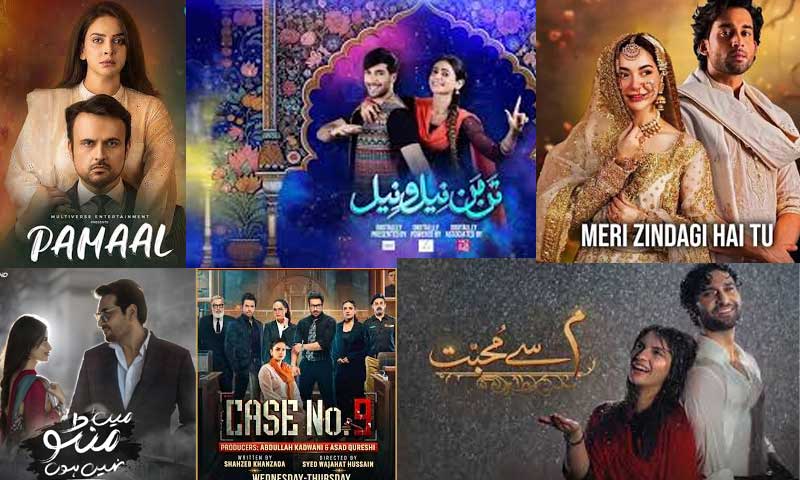
Pakistani dramas are known for their flare within the country as well as across the globe, so much so that when India decided to restrict YouTube channels, many complained about the episodes they ought to miss. Like yesteryears, 2025 also marked a pivotal phase for Pakistani television, as prime-time dramas moved beyond traditional storytelling to explore the complexities of contemporary society. Writers and directors delved into issues that resonated deeply with audiences, corporate politics, gendered struggles in courtrooms, fractured family dynamics, and the subtle tensions of modern romance, showing that television could entertain while also reflecting social realities.
This year’s dramas stood out for their ability to tackle challenging topics without alienating viewers. Series addressing workplace harassment, domestic abuse, and social inequality were presented alongside lighter narratives of romance, friendship, and family bonds, creating a balance that kept audiences engaged and sparked conversations across social media. The combination of compelling performances, layered characters, and thought-provoking storylines ensured that these dramas were more than just entertainment, they became platforms for dialogue about pressing societal issues.
By blending emotion, social commentary, and nuanced storytelling, Pakistani television in 2025 demonstrated its growing maturity. These serials not only drew high viewership ratings but also encouraged audiences to reflect on the changing norms and challenges around them. In this review, we highlight the most impactful dramas of the year and examine how they captivated viewers while leaving a lasting mark on Pakistan’s cultural and social landscape.
Pamaal (Green TV)
Genre: Psychological Romance, Social Drama
Pamaal explored the emotional evolution of Malaika, a novelist whose idealistic perception of marriage clashes with the realities of urban life after she marries Raza. What initially appears as protective concern gradually reveals controlling behavior, dividing audiences between empathy and criticism.
The drama’s strength lies in its moral ambiguity. Malaika’s wrongful arrest during a police raid and Raza’s later entanglement in a fabricated corruption case shift audience perception repeatedly. Raza’s terminal illness ultimately becomes a turning point, as he prepares Malaika for independence before his death. The serial remains ongoing, with further developments anticipated.
Tan Man Neelo Neel (HUM TV)
Tan Man Neel o Neel especially the last episode shocked audiences with its unflinching portrayal of mob violence triggered by false blasphemy accusations, a grim reality in Pakistan. Written by Mustafa Afridi and directed by Saife Hassan, the episode depicts how personal vendettas exploit religious sentiment, leading to fatal consequences without due process. The climactic sequence interspersed real-life cases, including Mashal Khan and Priyantha Kumara, highlighting the devastating impact of lynch mobs. Viewers and social media users praised the show for bravely addressing deep-rooted societal hatred, urging reflection on the consequences of false accusations while commending the cast and crew for tackling such a critical issue.
Jama Taqseem (HUM TV)
Writer: Farhat Ishtiaq | Genre: Family Drama
Written by Farhat Ishtiaq, Jama Taqseem presented a nuanced portrayal of joint-family conflicts through the story of Qais and his wife Laila. The drama examines the emotional cost of living arrangements rooted in tradition rather than choice.
One of its most significant contributions is its sensitive depiction of intra-family harassment, a subject rarely addressed on mainstream television. The exposure of Zeeshan’s misconduct fractures the family, leading to separation, self-reflection, and eventual reconciliation. The drama concludes with a clear message advocating emotional boundaries over forced unity.
Case No. 9 (Geo TV)
Genre: Crime, Courtroom Drama
Among the most socially relevant productions of 2025, Case No. 9 centred on Sehar, a corporate employee raped by her powerful employer Kamran (Faysal Qureshi). Starring Saba Qamar, the drama presents an unflinching look at institutional bias, victim-blaming, and legal manipulation.
Aamina Sheikh, portraying Sehar’s lawyer Manisha, anchors the courtroom narrative, while the silence and eventual testimony of witness Rohit expose systemic pressure faced by bystanders. The discovery of CCTV evidence by Kamran’s wife introduces a pivotal moral conflict. The series remains ongoing, sustaining suspense over whether justice will prevail
Meri Zindagi Hai Tu (ARY Digital)
Starring: Bilal Abbas Khan, Hania Aamir
Following the success of Ishq Murshid, Bilal Abbas Khan returned to television as Kamyar, a wealthy yet emotionally volatile man. Opposite him, Hania Aamir plays Aairah, whose defiance and moral clarity distinguish her from Kamyar’s privileged social circle.
While the drama initially presents itself as a romantic conflict, recent episodes and promotional material suggest psychological undertones, prompting speculation regarding Kamyar’s true intentions. The unfolding narrative has sustained strong social media engagement.
Main Manto Nahi Hoon (ARY Digital)
Starring: Humayun Saeed, Sanam Saeed, Sajal Aly, Azaan Sami Khan
Despite its star-studded cast, Main Manto Nahi Hoon received mixed audience response. The drama’s controversial student-teacher dynamic and complex family rivalry narrative divided viewers.
The story follows Farhad bin Yamin, whose obsessive love and concealed criminal past culminate in legal consequences. While performances were widely praised, particularly by senior actors, the plot struggled to establish emotional coherence, limiting its broader impact.
Goonj (HUM TV)
Genre: Corporate Social Drama
Goonj shed light on workplace harassment and the structural disadvantages faced by women who challenge authority. Zarnab, the protagonist, is forced to resign after accusing a senior colleague of misconduct, despite internal acknowledgment of wrongdoing.
The drama realistically portrays psychological harassment, institutional silence, and retaliatory action. Zarnab’s refusal to compromise underscores the emotional cost of resistance in professional spaces
Meem Se Muhabbat (HUM TV)
Starring: Ahad Raza Mir, Dananeer Mobeen
A rare romantic comedy in a year dominated by heavy themes, Meem Se Muhabbat offered audiences emotional relief. Dananeer Mobeen plays Ayat Suleman, a spirited intern whose playful defiance gradually softens Talha Ahmed, portrayed by Ahad Raza Mir.
Talha’s unresolved guilt over a past accident adds emotional depth to the narrative. The drama’s warm reception was driven by natural chemistry and restrained storytelling.
Mohra (Geo TV)
A revenge-driven narrative, Mohra follows Alizay, who infiltrates a powerful family to expose corruption and avenge the deaths of her sister and mother. The drama explores moral complexity, showing revenge as both empowering and destructive.
While the concluding revelation involving Alizay’s children divided viewers, the serial was widely acknowledged for its layered female protagonist and sustained narrative tension.
Parwarish (ARY Digital)
Genre: Family Drama
Parwarish, produced by Big Bang Entertainment, explores generational conflicts, parenting pressures, and youthful aspirations with nuance and sensitivity. The drama followed Wali Jahangir, who returns to Pakistan from the US and struggles to reconcile his dream of becoming a singer with his father’s insistence on a medical career. Amidst joint family dynamics, Wali develops a complex relationship with Maya, an ambitious young woman navigating her own challenges. Directed by Meesam Naqvi and written by Kiran Siddiqui, the series balances heartfelt storytelling with social insight. With standout performances from both young and veteran actors, Parwarish delivers emotional depth while examining control versus trust in family life.
As we head to 2026, these might be some dramas to watch out for:
Muamma (HUM TV)
Starring: Saba Qamar, Usman Mukhtar
A mystery-driven drama centered on Jahan Ara, presumed dead but secretly alive. Muamma relies on suspense and psychological tension, with its narrative gradually unfolding through investigative discovery.
Neeli Kothi (HUM TV)
Starring: Anmol Baloch, Talha Chahour
Neeli Kothi blends inheritance disputes and identity conflicts, with romance developing gradually. The drama’s restrained pace has appealed to audiences seeking character-driven storytelling.
Sharr Pasand (ARY Digital)
Genre: Social Commentary
Sharr Pasand examines societal hypocrisy through Farasat Ali, a respected community figure who weaponizes morality against women. The drama addresses character assassination, gender bias, and reputational violence, culminating in tragic consequences.
The portrayal of social surveillance and false accusations resonated strongly with viewers familiar with similar community dynamics
A Defining Year for Television
The diversity of narratives in 2025 reflects a significant shift in Pakistani television. Dramas increasingly addressed uncomfortable truths while balancing entertainment value. Whether through social realism, romantic escapism, or psychological tension, these serials ensured that television remained central to national conversation.
To know what topped 2024 read here.
You May Also Like