
- Web Desk
- Yesterday
Why Is the echo of ‘Goonj’ so necessary?
-

- Shazia Anwar
- Sep 01, 2025
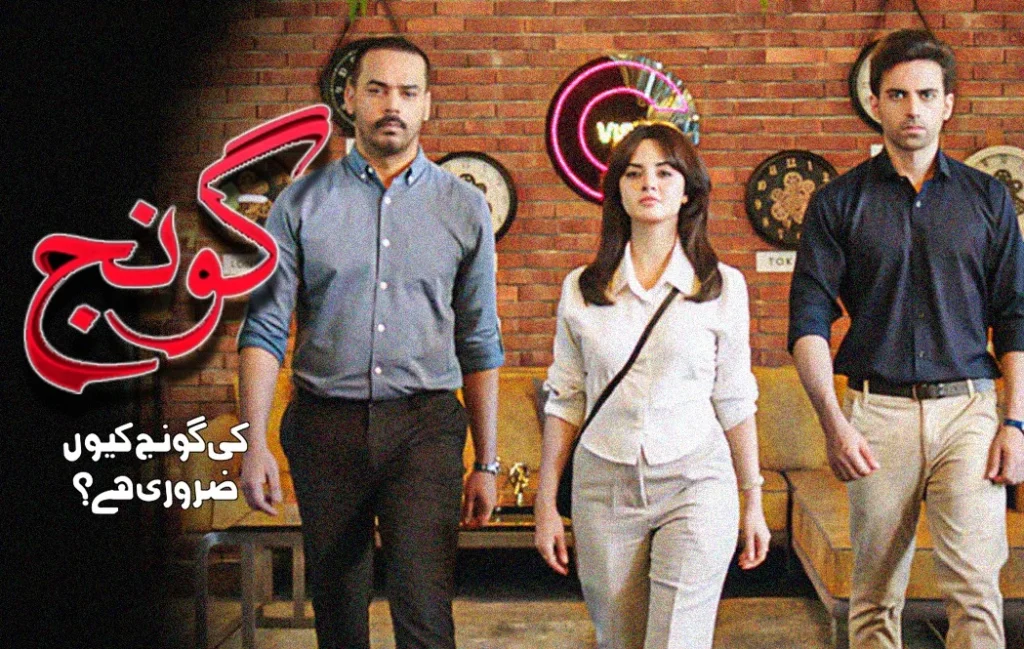
KARACHI: Across the world, working women face challenges at different stages of their careers. In a society like Pakistan where a woman’s professional struggle has yet to gain full acceptance harassment remains an experience that almost every working woman encounters at some point in her life. What is striking is that when we hear the word harassment, most minds immediately picture something physical or sexual. Yet, the truth is far more subtle and far more dangerous.
The most common and insidious form of harassment is verbal harassment. It is an invisible weapon that quietly erodes a person’s confidence, courage, and peace of mind. These are the cutting remarks about someone’s competence, character, personality, or even their attire. Sarcastic comments, offensive jokes, or repeated taunts may appear harmless on the surface, but they can make a person feel unsafe and diminished within their own environment. The gravest issue is that such behavior is rarely taken seriously. If a woman complains, she is often told: “It was just a joke” or “You take things too personally.” Such responses only bury the real problem deeper, trapping the victim in painful self-doubt wondering whether she is overreacting or truly being wronged. This very ambiguity is what makes verbal harassment so lethal.
HUM TV’s drama Goonj brings this delicate yet urgent issue into the light. It shows us that harassment is not always blatant or physical it often hides in gestures, words, and attitudes. The story follows Zarnab (Komal Meer), a confident and talented young woman working at an agency. She is the daughter of a loving father (Khalid Anam), who raises his three daughters with trust and encouragement, serving as their support and role model. Zarnab, through hard work and skill, builds a successful career. Yet, when she encounters the behavior of her colleague Nabeel, her journey takes a painful turn.
HUM TV’s latest drama ‘Goonj’ celebrates women’s courage to speak up
Nabeel (portrayed by Gohar Rasheed) does not harass openly. He does not touch her, nor does he say anything that could easily be reported. His methods are subtle, yet poisonous. He comments on Zarnab’s clothes, drops sarcastic remarks, criticizes her work unnecessarily, and frames conversations in ways that make her appear unprofessional or emotional. What seems trivial on the surface gradually eats away at her strength. Zarnab, too, is caught in this trap on one hand she trusts her abilities, and on the other, these small but sharp taunts begin to shake her performance. This is the brilliance of Goonj: it unveils the form of harassment most common in offices, yet most often ignored.
The drama’s strength also lies in how it weaves together the struggles of other women. Zarnab’s sister Nazish, a lawyer, faces a different challenge when her boss (Ali Safina) wishes to marry her, despite his complicated past and marital status. Here too, the drama highlights a refreshing reality: the father does not dismiss his daughter’s wishes but respects her right to decide. Zarnab’s youngest sister, who longs to play sports, confronts rejection on the playground where boys refuse to accept her. This small yet powerful symbol reminds us that women face prejudice and barriers not only at work but in every sphere of life.
‘Masoom’ – Love tested by time, tradition, and tyranny of fate
In terms of performance, Goonj stands tall. Komal Meer embodies Zarnab with a perfect balance of confidence and restraint. Gohar Rasheed plays Nabeel so convincingly that viewers feel the sting of his verbal harassment deeply. Khalid Anam, as the affectionate father, leaves a lasting impression, while the supporting cast, including Feroz Kadri, add realism and depth. The production, dialogue, and costumes enhance authenticity Zarnab’s wardrobe, in particular, resonates with female viewers as an emblem of the modern working woman’s goals and independence.
‘The Martial Artist’ marks a new era for Pakistani cinema on international stage
The true achievement of Goonj lies in its subtlety. It does not shout, preach, or lecture. Instead, it reveals reality through small, ordinary scenes showing how words and attitudes can create a toxic workplace. It reminds us that the real struggle is not only about paychecks or promotions, but about navigating the invisible wounds inflicted by an unhealthy environment. These quiet yet powerful moments place Goonj among the most significant and memorable dramas of this season.
But most importantly, Goonj is not just a story it is an invitation to collective conversation. It compels us to acknowledge that verbal harassment is a serious issue that silently breaks women from within. The time has come for women to break their silence, to speak, and to share their experiences. One voice may be ignored, but many voices together can become a movement one with the power to change environments and transform mindsets.
Watching Goonj is essential because it forces us to face the truth: the most widespread form of harassment is not visible to the eye, yet it scars the soul. For women, it delivers courage that their worth lies not in battling prejudice, but in proving themselves through talent and dedication. For men, it holds up a mirror asking them to reflect on how their words and behaviors shape the lives of those around them. For society, it begins a conversation we should have started long ago.
Goonj reminds us that verbal harassment must no longer be dismissed as trivial. It deserves to be recognized, confronted, and eliminated. If we remain silent, this poison will only spread. But if we speak, we may create a safer and healthier space for generations to come. That is why Goonj is not merely a drama it is a movement, an echo that must continue to resonate until change is real.
You May Also Like