
- Web Desk
- Yesterday
Manoj Bajpayee rejects ‘national crush’ culture
-

- Web Desk
- Sep 13, 2025
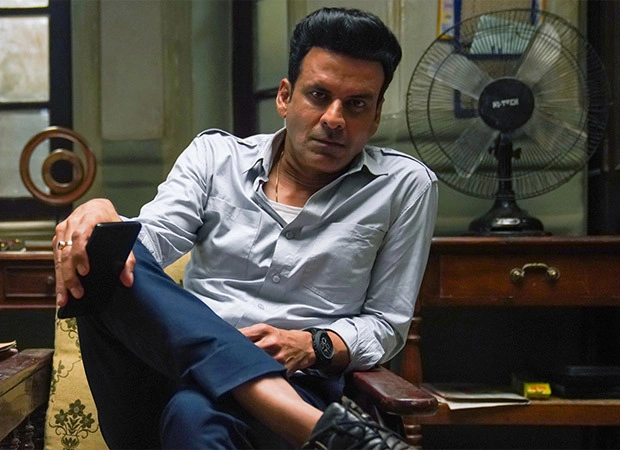
WEB DESK: Manoj Bajpayee has criticised the growing culture of PR-driven titles in Bollywood, calling labels like “Best Actor” or “National Crush” both “humiliating” and “irritating” for trained actors who have devoted their lives to the craft. Speaking in a recent conversation, the veteran actor expressed frustration that genuine artistry is being overshadowed by fleeting social-media trends.
“Acting ko leke jitni fallacy ab barhi hai, woh irritating bhi hai, annoying bhi hai, and humiliating bhi hai,” he said. “It is humiliating for me, who has been giving everything to this craft, and suddenly you read one day that someone is the ‘best actor.’ A few months later, someone else is labelled the same, or becomes the ‘national crush.’ The whole culture has changed.”
The remarks sparked agreement online, with many fans calling the “National Crush” phenomenon an artificial creation of publicity campaigns. “This is valid, imagine working so hard on your craft only to see people buy into a manufactured image over genuine talent,” wrote one user. Others praised Bajpayee for his humility and for staying focused on meaningful work rather than stardom.
Netflix spotlights Zende, the Indian cop who faced killer Charles Sobhraj
That philosophy also finds expression in his latest film Jugnuma, directed by Raam Reddy, where Bajpayee delivers a performance defined not by glamour but by restraint and depth. The film follows Dev, an orchard owner who interacts with his workers in Hindi and his family in English, revealing the unspoken social hierarchies embedded in everyday life. Dev’s surreal ability to strap on wings and fly becomes a metaphor for privilege and detachment, illustrating the subtle power dynamics of class and caste.
Bajpayee plays Dev with measured intensity, embodying a man who is neither cruel nor kind but quietly complicit in structural inequality. Deepak Dobriyal’s equally nuanced performance complements Bajpayee’s, while Priyanka Bose and Tillotama Shome add depth to the ensemble. Reddy resists the temptation of heavy-handed messaging; instead, Jugnuma weaves its commentary into delicate storytelling that lingers beyond the screen.
For Bajpayee, such roles reflect his belief that cinema should prioritise narrative truth over image-building. His career, marked by landmark performances in Satya, Gangs of Wasseypur, Aligarh, The Family Man and Bandaa, underscores that conviction. After a slump between 2003 and 2009, he made a comeback with Raajneeti and has since worked with both legends like Shyam Benegal and young filmmakers reshaping Indian cinema. “When I worked with Ram Gopal Varma, he was a young director. After that, most of my collaborations were with new voices who wrote their own chapter in filmmaking,” he recalled.
India may finally see Fawad Khan in Aabeer Gulaal on September 26
With Jugnuma, Bajpayee once again demonstrates why he stands apart in an industry increasingly dominated by PR strategies and manufactured stardom. By rejecting the hollow glamour of titles like “national crush” and continuing to champion nuanced, socially resonant cinema, he reasserts the value of performance over publicity, craft over clout.
You May Also Like