- Web Desk
- Jan 09, 2026
SBP names three banks crucial to Pakistan’s financial stability in 2025
-

- Web Desk
- Aug 30, 2025
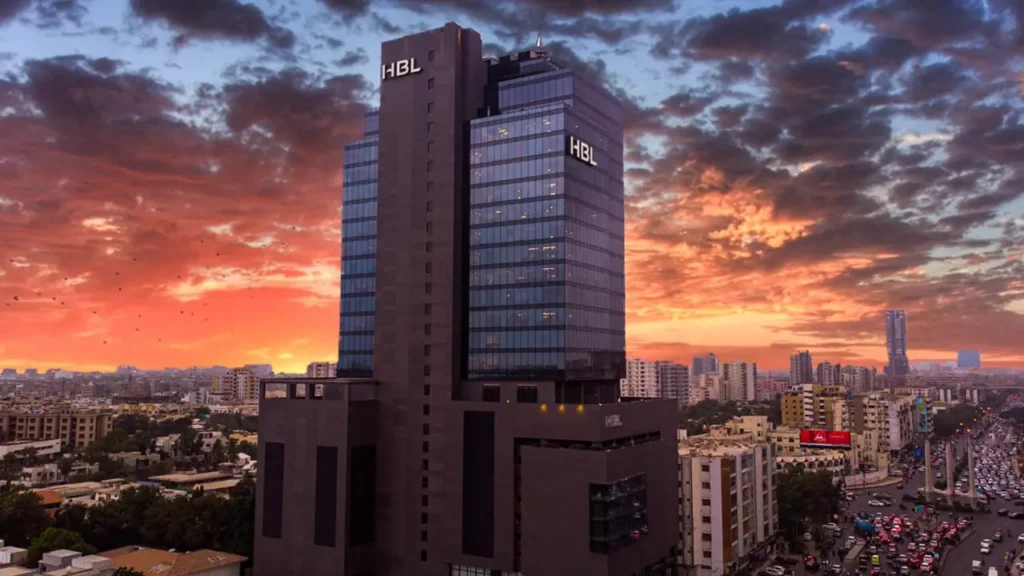
KARACHI: The State Bank of Pakistan (SBP) has designated three financial institutions as Domestic Systemically Important Banks (D-SIBs) for 2025, reaffirming its commitment to safeguarding financial stability and strengthening the country’s banking sector.
According to the announcement, National Bank of Pakistan (NBP), United Bank Limited (UBL) and Habib Bank Limited (HBL) have been categorised as D-SIBs following an annual assessment based on their financial statements as of December 31, 2024.
How banks are assessed
The SBP said the designations were made under the ‘Framework for Domestic Systemically Important Banks (D-SIBs)’, first issued in April 2018 and amended in December 2022. The framework, aligned with international standards but tailored to Pakistan’s financial landscape, sets out the methodology for identifying such banks and prescribes enhanced supervisory and regulatory requirements.
Systemically important banks are those whose operations are considered critical for the overall stability of the financial system. Their resilience against shocks, risk management capacity, and operational strength are therefore given particular regulatory focus.
Under the framework, banks are assessed through a two-step process. First, a sample is identified based on quantitative and qualitative criteria. Then, systemic importance is measured using indicators such as size, interconnectedness, substitutability, and complexity.
Additional capital requirements
As part of their designation, the three banks will be required to maintain higher levels of Common Equity Tier-1 (CET-1) capital from March 31, 2026. Specifically, NBP has been placed in Bucket D, requiring an additional 2.5 percent CET-1 capital, while UBL and HBL fall in Bucket C, requiring 1.5 percent each.
In addition, branches of Global Systemically Important Banks (G-SIBs) operating in Pakistan will also have to maintain additional CET-1 capital against their risk-weighted assets, at the levels set by the Financial Stability Board for their parent institutions.
SBP’s proactive approach
The central bank noted that the move is part of a broader effort to enhance financial stability and reduce systemic risks in the economy. “The designation of D-SIBs is one of the key elements of the supervisory framework and reflects SBP’s proactive approach to the identification and mitigation of systemic risks,” the statement said.
By strengthening the resilience of key banks, the SBP expects to ensure smooth functioning of Pakistan’s financial system and support sustainable economic growth.
Read next: Pakistan secures four-year approval for seafood exports to US
You May Also Like