- Web Desk
- Jan 09, 2026
Government eyes petroleum, carbon levy hikes amid fiscal challenges
-

- Web Desk Karachi
- Mar 12, 2025
ISLAMABAD: The administration of Prime Minister Shehbaz Sharif is currently deliberating on two significant policy issues—whether to permit dual nationals to occupy key positions within the State Bank of Pakistan (SBP) and whether to implement a carbon levy aimed at reducing emissions.
In a series of meetings held on Tuesday, the government once more postponed resolving these matters, one led by the prime minister and the other by Deputy Prime Minister Ishaq Dar. During the cabinet assembly, Prime Minister Shehbaz opted for the third consecutive time to defer a decision on allowing dual nationals to serve as governor, deputy governors, and directors of the SBP.
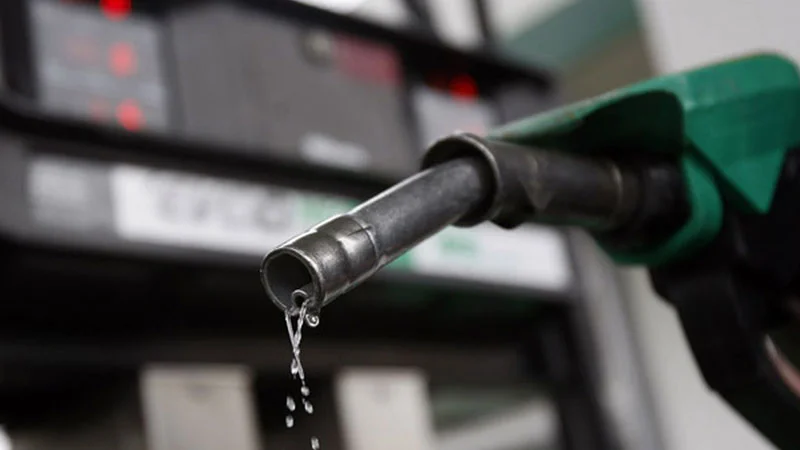
Earlier in the day, Deputy Prime Minister Dar presided over another inconclusive meeting regarding the carbon levy. However, government insiders have indicated that there is considerable momentum within the administration to increase the current petroleum levy, which stands at Rs60 per litre.
This increase aims to help mitigate the impending reductions in diesel and petrol prices. According to existing laws, the petroleum levy on high-speed diesel and petrol can be augmented up to Rs70 per litre. A proposed increase of Rs10 per litre could generate an additional Rs15 billion monthly for the government, which is grappling with significant revenue shortfalls.
Moreover, the International Monetary Fund (IMF) has suggested the introduction of a carbon levy set at Rs10 per litre to be phased in over three years, starting with Rs3 per litre in the initial year. This levy is part of the IMF’s conditions tied to the new $1 billion Climate Resilience Facility, which Pakistan is currently negotiating.
Investor confidence soars as new petroleum policy unlocks $5 billion in energy investments
The government is contemplating implementing both the carbon levy and an increase in the petroleum levy simultaneously.
A meeting chaired by the prime minister on Monday did not yield any resolutions, leading him to refer the issue to Ishaq Dar. During a subsequent meeting on Tuesday, discussions did not reach a conclusion, primarily focusing on how to utilise the proceeds from the levy.
The climate change ministry advocates for using the funds to address climate impacts, while another perspective supports allocating the money to mitigate the financial burden from reducing the sales tax on electricity bills from 18 percent to 10 percent.
Additionally, there are concerns that Pakistan may face repercussions from the European Union’s Carbon Border Adjustment Mechanism (CBAM) in the future, which imposes costs on carbon-intensive imported goods. The challenge of imposing a carbon levy on coal remains due to its classification under provincial jurisdiction.
In a separate yet equally contentious issue, Prime Minister Shehbaz Sharif has again halted the finance ministry’s proposal to allow dual nationals to be appointed as governors, deputy governors, and members of the Monetary Policy Committee of the SBP. During the cabinet meeting, the prime minister indicated his intention to hold a separate discussion on the topic rather than granting immediate approval.
Previously, a cabinet committee had unanimously recommended that dual nationals be eligible for these roles. However, the federal cabinet recently chose to defer the approval for the State Bank of Pakistan Amendment Bill 2024.
The prime minister had earlier expressed apprehension regarding easing the legal restrictions on appointing dual nationals to prominent positions within the SBP.
Under current legislation, dual nationals are prohibited from serving as members of Parliament, and in 2022, a similar restriction was imposed on the management and policymaking roles within the SBP.
The cabinet committee proposed the removal of Section 13-A of the SBP Act, which was presented to the cabinet last week.
Section 13-A states that no individual can serve as the governor, deputy governor, director, or member of the SBP if they “are a member of Parliament, a provincial assembly, or a local government, or possess dual nationality.” This restriction was initially established in January 2022 following a broad set of amendments to the SBP Act, influenced by the IMF and the preferences of the previous governor.
You May Also Like